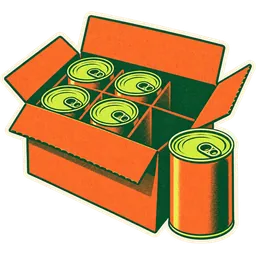
Case of 24 cans
Sell: Each or full case
Drinks, canned goods
Stock counts itself in units, the case price can be its own deal, and the margin is on screen. Try it with a case of 24.
Sell: Each or full case
Drinks, canned goods

Sell: Pack, 5-pack or box
Instant noodles, ramyeon
Sell: By the lb or the 25 lb bag
Rice, beans, flour

Sell: Dozen, half dozen or tray
Eggs
Sell: Bottle or case
Oil, sauces, fish sauce
| Country | Case cost | Cost per unit | Unit price | Case price | Unit margin | Case margin |
|---|---|---|---|---|---|---|
| United States | $23.76 | $0.99 | $1.79 | $35.99 | 44.7% | 34.0% |
| United Arab Emirates | AED 96 | AED 4 | AED 6.50 | AED 135 | 38.5% | 28.9% |
| Pakistan | Rs 5,400 | Rs 225 | Rs 350 | Rs 7,200 | 35.7% | 25.0% |
Illustrative prices; set your own. The case is a deal for the customer and still earns a margin for you.
8 questions on the shelf
Create a base unit (Each), then a larger unit defined as a multiple of it (Case = 24 Each). Assign the product the base unit and allow the case as a sub-unit. Cashiers sell either; stock is always counted in units.
Yes. Set a case price separately from the unit price, for example $35.99 for the case and $1.79 each. Customers who buy by the case get the deal; your margin stays visible in reports.
Receiving 1 case of 24 adds 24 units. Selling 1 can removes 1; selling 1 case removes 24.
Yes. A rice product can have a lb unit with decimals and a 25 lb bag as a larger unit.
The conversion applies to the records that use that unit, so make a new unit (for example “Case 20”) when a supplier changes its pack size instead of editing the old one.
Yes. Limit the selling units to Each and keep the case for purchasing only.
Yes. Order by the case on the purchase order; stock converts when it arrives.
Product and profit reports show cost and price per unit, so a case bought at one cost and sold as singles shows its real margin.
No question matches that. Try a shorter word.
14-day free trial · no card · no contract · cancel any month
 Weighing scalesLabel-scale barcodes, weighed items
 PLU codesProduce lookup by number
 SNAP / EBTWorks with your certified processor (US)
 Bulk product importThousands of items from a spreadsheet
 Multilingual receiptsProduct names in any scriptPurchase ordersVendors, POs, receivingCase & unit pricingBuy by the case, sell by the can
 How it works
 Hardware that worksLanguage support
Nothing on the shelf for that.
Try “scale”, “EBT”, “import” or “Urdu”.